
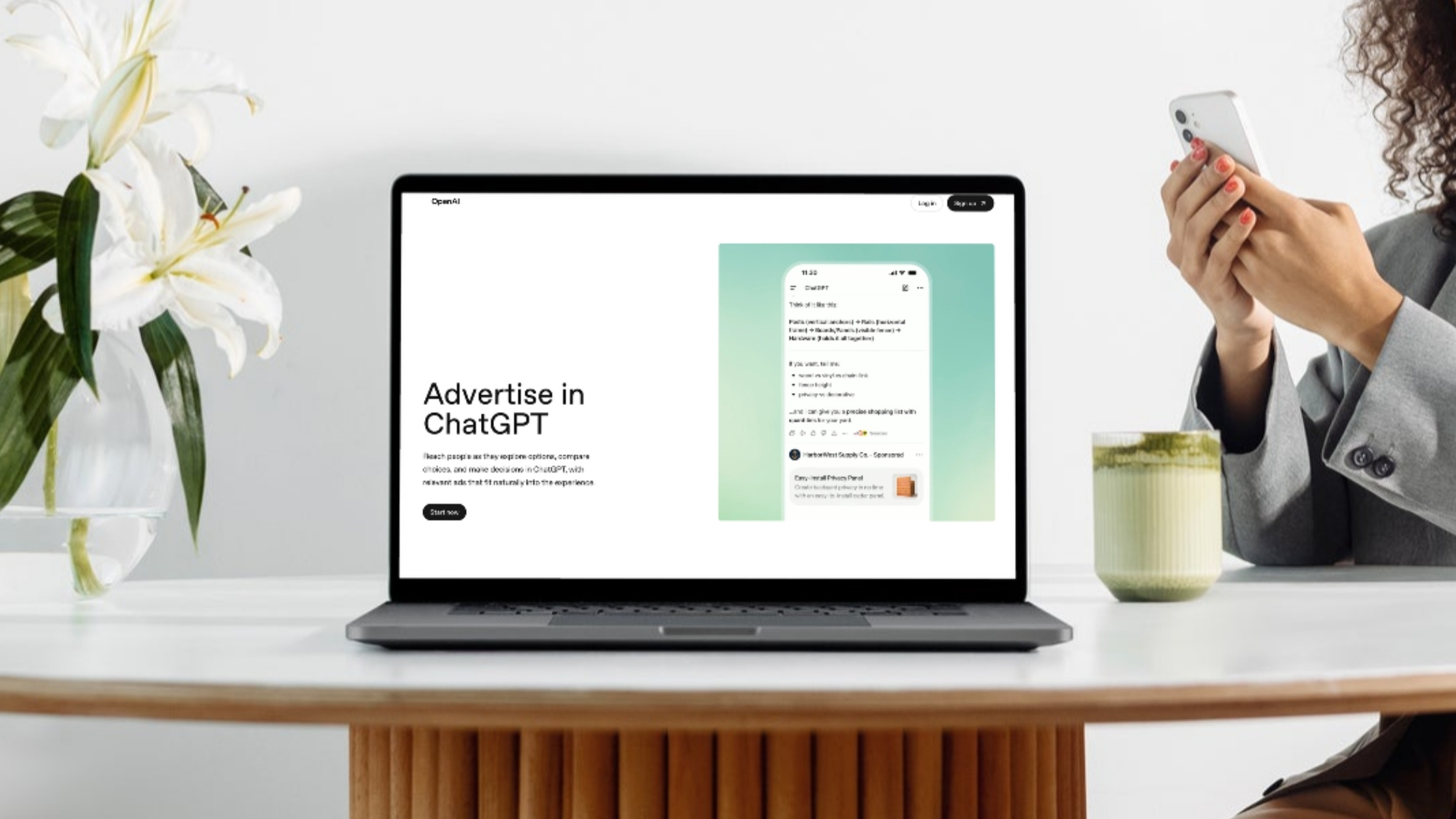
ChatGPT ads have officially started rolling out in New Zealand and Australia, which means AI advertising is no longer just something marketers have been speculating about.
For businesses, this is exciting. ChatGPT is changing how people search for information, compare options, research products and make decisions. If ads can appear during those conversations, it opens up a completely new way to reach potential customers.
But does that mean you should move the budget away from your existing marketing channels tomorrow?
Not necessarily.
Like any new marketing channel, ChatGPT ads should be looked at with interest, but also with a healthy amount of caution. For most New Zealand and Australian businesses, the smartest move is not to panic, pause everything else or chase the newest platform. It is to understand what has changed, look at where your leads and sales are already coming from, and decide whether you have the budget, time and resources to test something new properly.
What are ChatGPT ads?
ChatGPT ads are sponsored placements that can appear in relevant ChatGPT conversations.
Instead of someone typing a keyword into Google and seeing search ads above organic results, the user may be asking ChatGPT a question, comparing services, researching a problem or trying to decide what to do next.
For example, someone might ask:
“What is the best CRM for a small business?”
“How much should I spend on digital marketing?”
“What are the best ways to improve leads from my website?”
“What should I look for in an SEO agency?”
These are not always traditional search queries. They are longer, more conversational and often more detailed. That is what makes this different from many standard keyword-based advertising channels.
ChatGPT ads are designed to appear separately from the main answer, so they are not supposed to change what ChatGPT says organically. However, they may still give businesses a new opportunity to appear when someone is actively researching a topic related to their product or service.

Why this matters for New Zealand and Australian businesses
New Zealand and Australia are not just watching this happen from the sidelines. ChatGPT ads have started rolling out in both markets, which means local businesses need to start thinking about where this could fit into their marketing mix.
This does not mean every business should start advertising on ChatGPT immediately.
But it does mean the way people discover businesses is continuing to change.
For years, Google has been the main place people go when they need a product, service or answer. That is still true, and Google is not going away any time soon. But more people are now using AI tools to help with research, comparisons and recommendations before they ever reach a website.
This is especially important for businesses that sell products or services with a longer decision-making process.
A person may not search “digital marketing agency New Plymouth” straight away. They may first ask ChatGPT how to improve website enquiries, which marketing channel they should prioritise, what a realistic marketing budget looks like, or what questions to ask before hiring an agency.
That research stage is valuable.
If your business can show up during that stage, either through paid ads or strong answer-focused content, you may be able to influence the customer before they move into a more direct buying search.
Should you shift the budget away from channels that are already working?
For most businesses, the answer is no.
If a marketing channel is currently generating qualified enquiries, sales or bookings for your business, it should remain a priority. That could include SEO, paid search, Meta Ads, LinkedIn Ads, email marketing, referral traffic, direct traffic, organic social, directories, remarketing or any other channel that is already producing a positive return.
New channels are exciting, but proven channels should not be sacrificed without a good reason.
A good marketing budget should be based on performance, not hype. If 70% of your quality leads are coming from a particular channel, cutting that budget to test ChatGPT ads would likely create more risk than opportunity. If your SEO is bringing in high-intent organic traffic, that work should continue. If Meta Ads are supporting your brand awareness or remarketing activity, they may still have an important role to play. If referrals, email or direct traffic are already supporting sales, those channels should not be ignored either.
ChatGPT ads should be seen as an additional channel to test, not an automatic replacement.
The better question is:
“Do we have enough budget and internal capacity to test this properly without hurting the channels that already work?”
If the answer is yes, it may be worth exploring. If the answer is no, your time may be better spent improving what is already performing.

The bandwidth question matters
One of the biggest mistakes businesses make with new marketing channels is starting before they have the resources to manage them properly.
A successful test needs more than ad spend.
You need landing pages that are relevant to the user’s intent. You need tracking set up correctly. You need clear goals. You need someone reviewing the data, adjusting the campaign and deciding whether the test is actually working.
Without that, you are not really testing ChatGPT ads. You are just spending money on them.
For smaller businesses, this is especially important. If your current campaigns are not being reviewed properly, your website content is outdated, your conversion tracking is unclear or your team is already stretched, adding another advertising channel may not be the best next step.
In that situation, it may be smarter to focus on improving your existing marketing foundations first.
That could mean improving your paid media accounts, updating important service pages, fixing tracking issues, reviewing your SEO strategy, improving email nurture sequences or creating content that answers the questions your customers are already asking.

Where ChatGPT ads could work well
ChatGPT ads could become especially useful for businesses where customers spend time researching before they buy.
This may include industries such as:
-
Professional services
-
Software and technology
-
Education and training
-
Travel and tourism
-
Home improvement
-
Financial services
-
E-commerce products with comparison-based buying journeys
-
B2B products and services
-
Specialist trades or technical industries.
These are areas where people often ask multiple questions before making a decision. They want to compare options, understand pricing, review pros and cons, and feel more confident before contacting a business.
That type of behaviour fits naturally with how people use ChatGPT.
For example, a business owner might not be ready to contact a marketing agency yet. They may start by asking whether SEO, paid ads, content, email or AEO should be prioritised for their situation. If your business appears in that conversation with a relevant ad, and your landing page directly answers their next question, that could be a valuable opportunity.
However, the landing page matters. Sending someone to a generic homepage may not work as well as sending them to a page that matches their intent.
If someone is researching AI search visibility, sending them to an Answer Engine Optimisation service page makes more sense than sending them to a broad services page. If they are actively looking for paid search support, a specific Google Ads management service page is likely to be more relevant.

ChatGPT ads and AEO tool
Even if you are not ready to run ChatGPT ads, this launch is another reminder that businesses need to think beyond traditional search results.
Answer Engine Optimisation, or AEO, is about making your content easier for AI tools, search engines and users to understand. It focuses on clear answers, helpful structure, strong topical relevance and content that matches the questions people are actually asking.
This does not replace SEO. It builds on it.
Good AEO still needs strong pages, clear messaging, technical SEO, internal links, authority signals and useful content. The difference is that content may need to be written and structured in a way that works better for both people and answer engines.
For many businesses, investing in AEO may be a better first step than jumping straight into ChatGPT ads.
Why?
Because strong content can support multiple channels.
It can help your organic SEO. It can improve landing page performance. It can support paid media performance and conversion rates. It can make your website more useful for customers. It can also increase the chances that your business is understood correctly by AI tools.
Paid ads can bring visibility, but if the page behind the ad is weak, unclear or generic, the campaign will struggle.
What should businesses do now?
The best approach is to be interested, but practical.
Start by reviewing your current marketing performance. Which channels are driving leads, sales and enquiries? Which campaigns are converting? Which pages are helping people take action? Which areas are underperforming?
From there, decide whether ChatGPT ads are something you can realistically test.
A sensible approach may look like this:
-
Keep investing in channels that are already converting well.
-
Improve tracking so you can see what is actually generating leads and sales.
-
Strengthen your most important service and product pages.
-
Create content that answers real customer questions.
-
Review whether your business has the budget and time to test ChatGPT ads properly.
-
Set aside a small test budget only if it will not take resources away from higher-priority work.
-
This is not about ignoring new opportunities. It is about avoiding reactive decisions.
Marketing budgets work best when they are connected to business goals, not just industry headlines.

Final thoughts
ChatGPT ads are a big development. They show that AI platforms are becoming part of the paid media landscape, not just tools people use for writing, research or productivity.
For New Zealand and Australian businesses, this creates a new opportunity to reach people during research-heavy, decision-making conversations. That is genuinely exciting.
But it does not mean every business needs to change its marketing budget overnight.
If your current SEO, paid media, email marketing, referral activity, direct traffic or social campaigns are working, keep focusing on what is generating results. If your budget is limited, your tracking is unclear or your team does not have the bandwidth to manage another channel properly, it may be better to wait and strengthen your foundations first.
If you do have the budget and resources available, ChatGPT ads may be worth testing as part of a broader strategy.
The key is balance.
The businesses that will benefit most are unlikely to be the ones that chase every new platform immediately. They will be the ones that understand their customers, track what works, invest in strong content, and test new opportunities carefully when the timing makes sense.

.webp?width=352&name=Untitled%20design%20(17).webp)